
Harnessing Energy, Enhancing Security
Your Trusted Partner for Solar Energy and CCTV Installations
we offer a wide range of services designed to enhance the sustainability and security of your property. Our expert team is dedicated to providing top-quality installations and customer satisfaction.
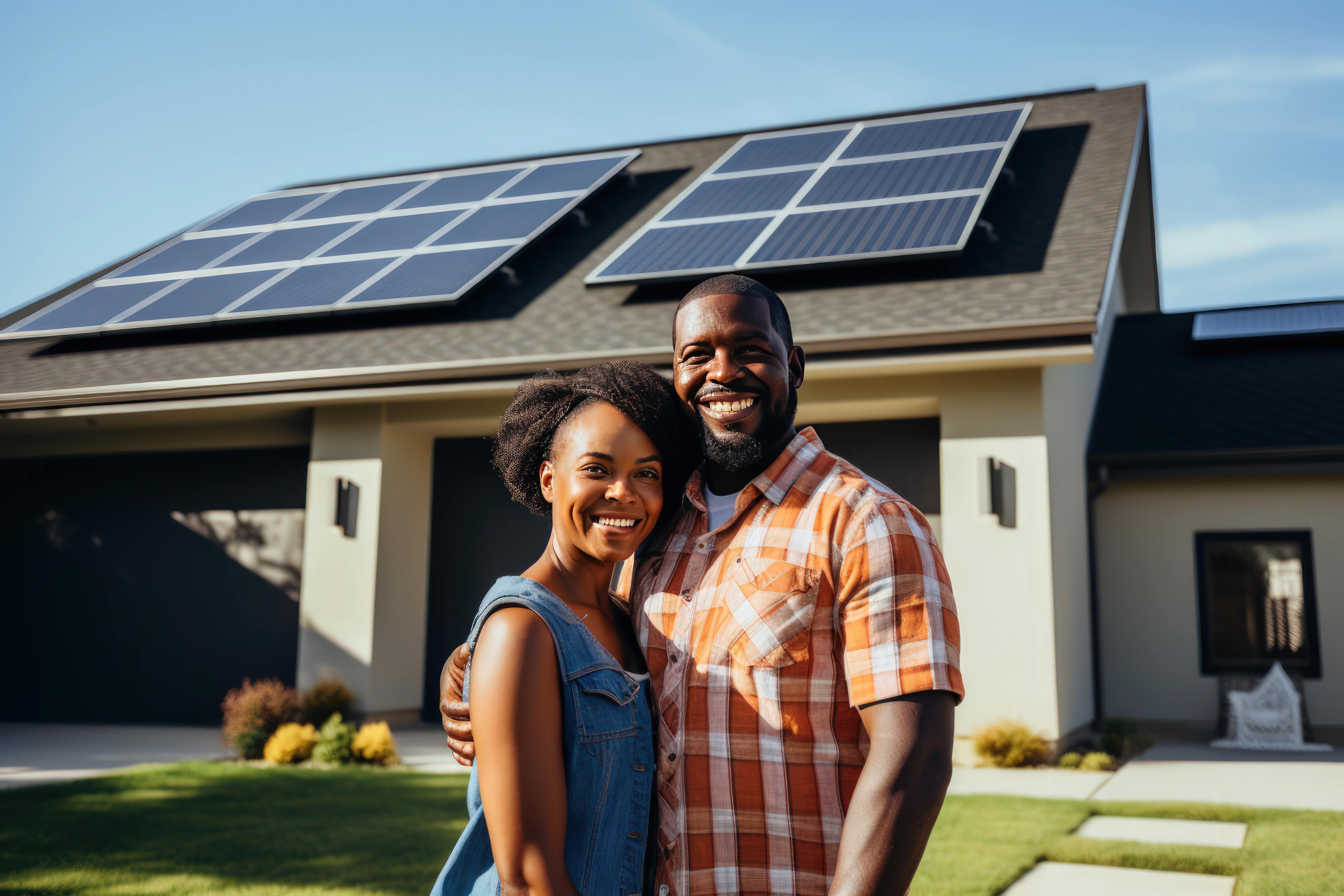
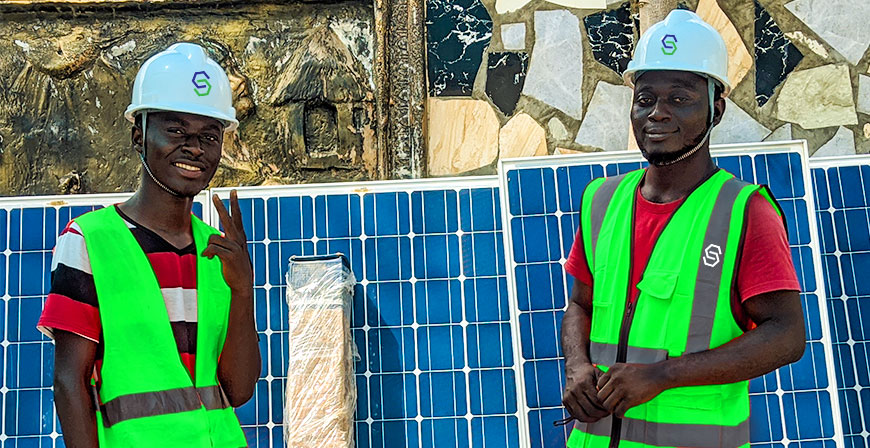
Solar System Installation
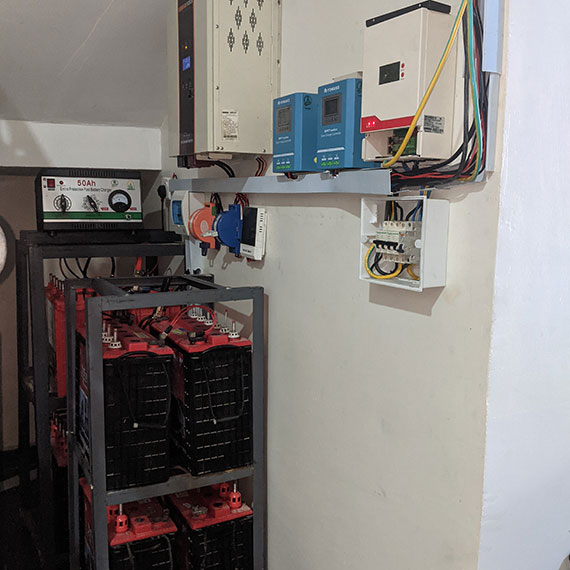
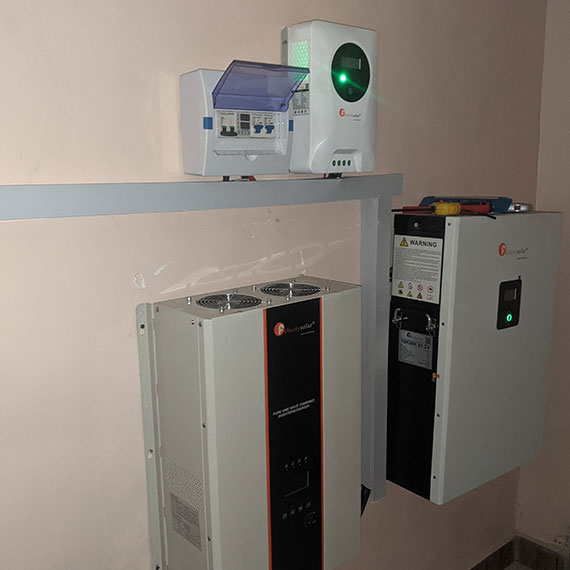
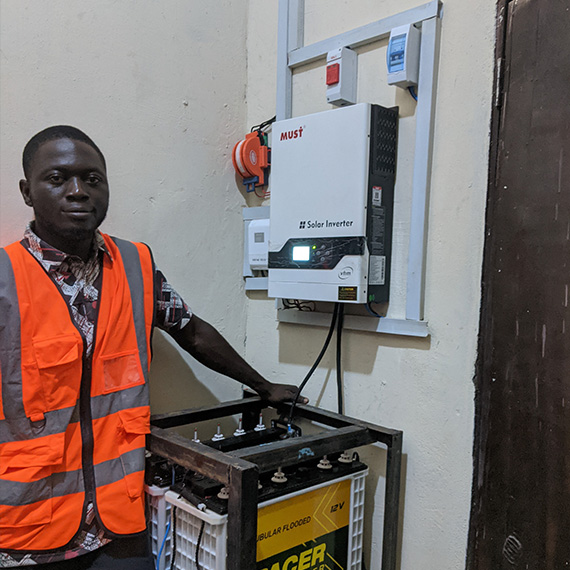
Our custom-designed solar energy systems are crafted to meet the specific needs of your home or business, maximizing efficiency and savings.
Explore More
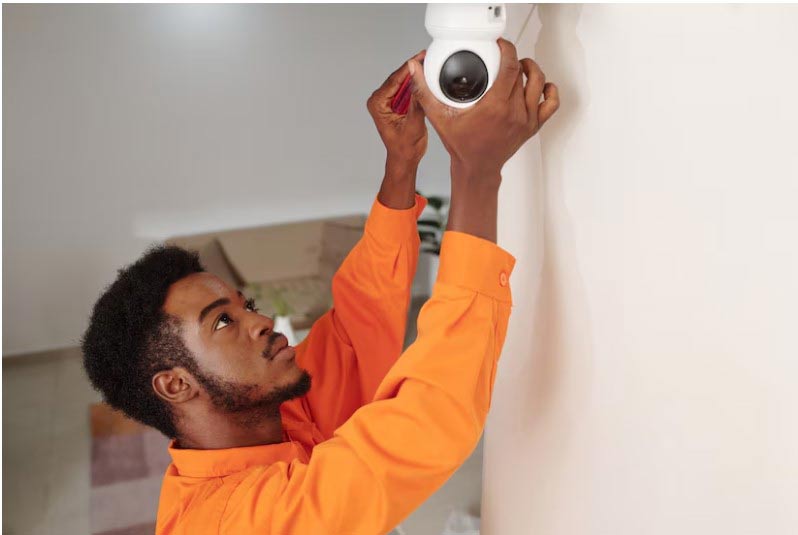
CCTV System Installation
We provide a wide range of surveillance solutions tailored to your specific needs, from single-camera setups to comprehensive security networks.
Explore More.png)
Smart Home/Lits and Switches
Welcome to the future of home living with our Smart Home Lights and Switches! Imagine a home that adapts to your lifestyle, p...
Explore More
Energy Audit and Consultation
Our Energy Audit and Consultation service identifies inefficiencies in your energy use and provides tailored solutions to reduce...
Explore More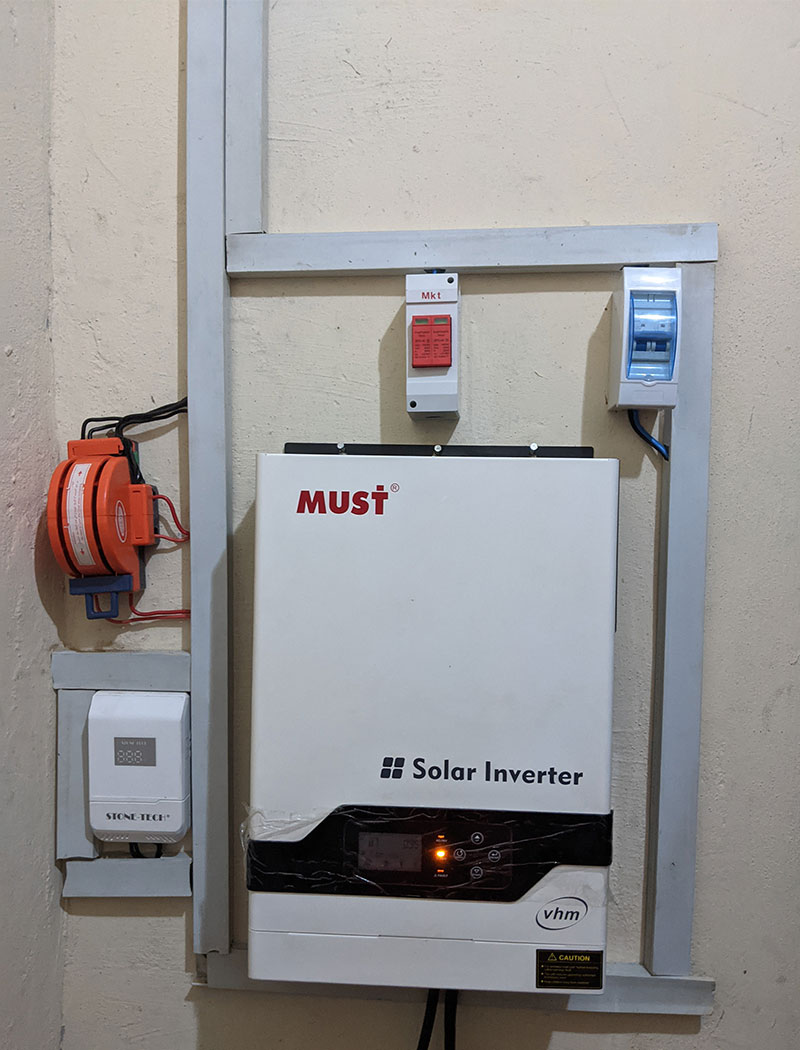
We drive the transition to more sustainable, reliable & affordable energy systems, Find Your Solution
We drive the transition to more sustainable, reliable & affordable energy systems, Find Your Solution
Energize Society With Sustainable And Reliable Energy Systems!
In recent years, new capacity across the solar value chain become necessary to support the PV market’s growth. However, the capital required to establish and scale-up wafer, solar cell and solar module manufacturing facilities.
Save Your Money
Save money on utilities or increase the value of your home by installing solar panels as a great option.
5Stars Customer Service
Understand that we must go above our customer expectations during each interaction always.

How It Works, Step One:
Initial Consultation.
Every project begins with a detailed consultation to understand the client’s needs and preferences. A thorough site survey follows, assessing conditions such as layout, infrastructure, and environmental factors. This step ensures that the project is feasible and tailored to meet specific requirements.
How It Works, Step Two:
System Design and Planning
After gathering the necessary details, a customized solution is designed. This involves creating a detailed plan outlining equipment placement, wiring routes, and integration strategies. A cost estimate and timeline are presented to the client for approval, ensuring transparency and alignment.
How It Works, Step Three:
Permits and Approvals
For installations requiring regulatory clearance, such as solar systems, necessary permits are obtained. This step involves submitting applications and coordinating with local authorities to ensure compliance with all legal and safety standards.
How It Works, Step Four:
Procurement and Preparation
High-quality materials and equipment are sourced to ensure reliability and performance. The site is prepared for installation, which may include clearing spaces, reinforcing structures, or making preliminary adjustments to existing systems.
How It Works, Step Five:
Installation
The actual installation process involves mounting hardware, connecting devices, and setting up supporting infrastructure. For instance, solar panels are secured in place, CCTV cameras are strategically positioned, and smart devices are installed throughout the property. Wiring and connections are established with precision to ensure functionality.
How It Works, Step Six:
System Integration
Once the physical setup is complete, components are integrated into a cohesive system. This may include connecting devices to a central hub, network, or automation platform. The focus here is on ensuring seamless communication between all parts of the system.
How It Works, Step Seven:
Testing and Quality Assurance
Thorough testing is conducted to verify that the system operates as intended. Safety checks and functionality tests are carried out to ensure compliance with industry standards. Any issues detected are promptly resolved to guarantee optimal performance.
How It Works, Step Eight:
Handover and Training
After successful installation, the system is handed over to the client. A detailed demonstration of its operation is provided, along with user manuals and other documentation. Clients are trained on system usage, maintenance, and basic troubleshooting to enhance their confidence and understanding.
How It Works, Step Nine:
After-Sales Support
To maintain client satisfaction, after-sales services are offered, including technical support, regular maintenance, and warranties. This step ensures the system remains efficient and reliable over time, addressing any issues that may arise post-installation.


They were fantastic through the entire purchase process. I had lots of questions and they were patient. My system arrived it was well packed and shipping with xpo.

Ahmed Abdallah
They helped lead me through the process of system selection, site layout and placing my order. They were very knowledgeable and has provided guidance each step.

John Peter
Receive an accurate quote within 3-5 days when you fill out the form on this page. Or, give us a call: (234) 7026529124
News & Announcements
Recent Articles
 Jan 20, 2020
Filing Solar Power Permits in 2020? Consider the Following Important Factors
All of these factors are important to consider when permitting your solar system, and can help streamline your process. Take the time to consider...
Read More Jan 20, 2020
Filing Solar Power Permits in 2020? Consider the Following Important Factors
Batteries are the most expensive part of a solar system. Between an appropriately-size battery bank and a battery-based inverter like the Outback Ra
Read More Jan 20, 2020
Filing Solar Power Permits in 2020? Consider the Following Important Factors
Department of Energy, which is why we have funded six teams to improve technologies that will protect eagles sharing airspace with the new wind ...
Read More